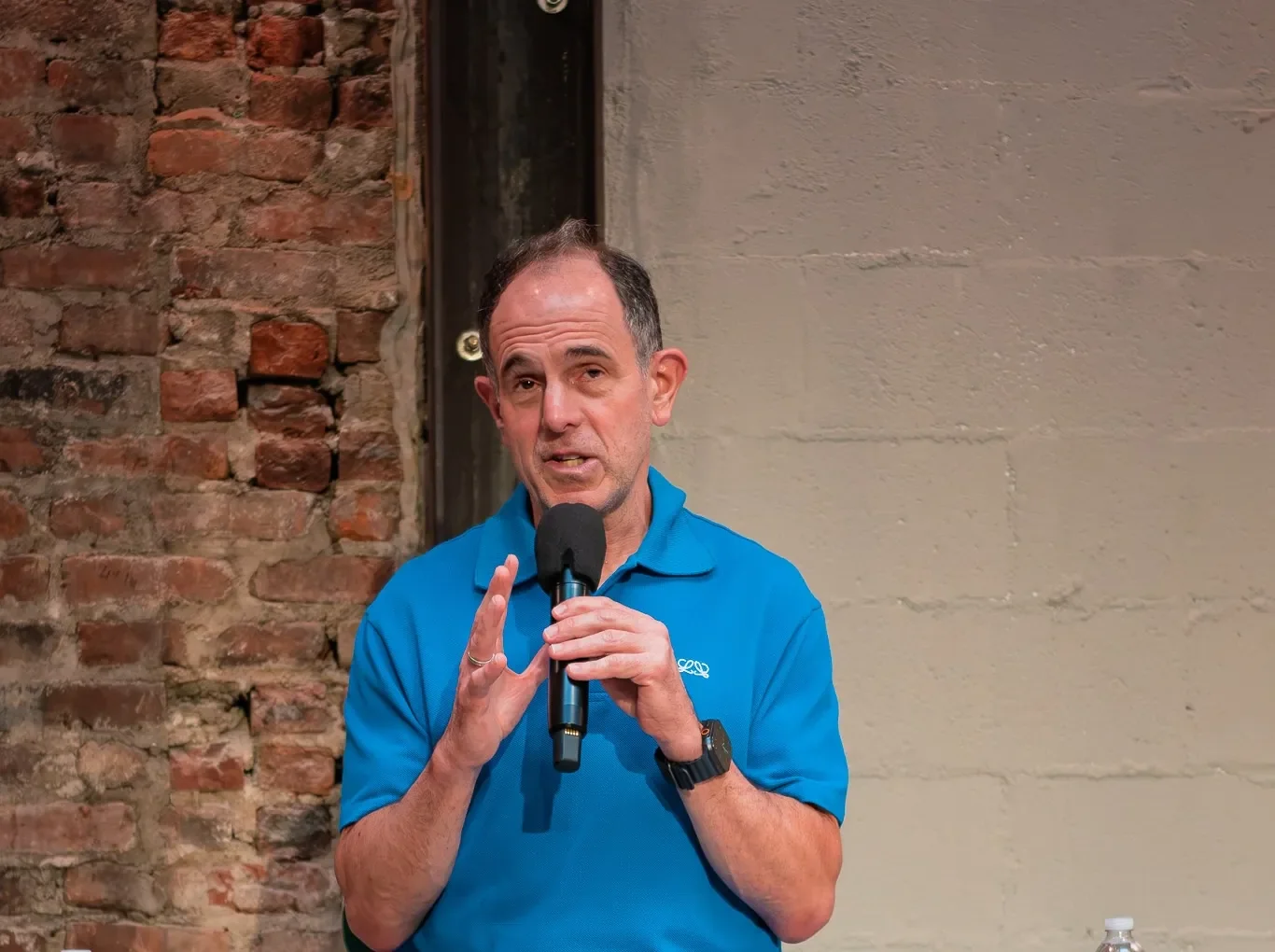
Matt Murphy, the longtime general partner at Menlo Ventures, says the AI gold rush has rewritten the startup playbook, and founders still running the old one are going to lose. In a wide-ranging discussion about the state of enterprise software, Murphy laid out what he believes founders must do differently to raise, build and survive in a market where a single model update can erase a product category overnight.
His central point is speed paired with focus. Because frontier labs keep absorbing features that used to constitute standalone companies, Murphy argues startups must pick a wedge deep enough in a customer's workflow that model progress helps them rather than threatens them. Founders, he says, should ship in weeks instead of quarters, treat AI-generated code as a force multiplier for tiny teams, and build distribution around proprietary data and trust that incumbents cannot copy.
Murphy's comments carry weight because Menlo has been one of the most active AI investors of the cycle, backing companies across foundation models, developer tooling and applied vertical software, and publishing widely read research on the size of the AI application market. His firm's thesis, that value is migrating from raw model capability to workflow ownership, has become a template for how a generation of funds now underwrites startups.
He also cautioned that capital abundance is a trap: founders who hire to a valuation instead of to a business plan will be exposed when the funding cycle tightens. The winners, Murphy suggests, will be the ones who make their investors' theses look obvious in hindsight by being the last company standing in a category the models keep trying to eat.