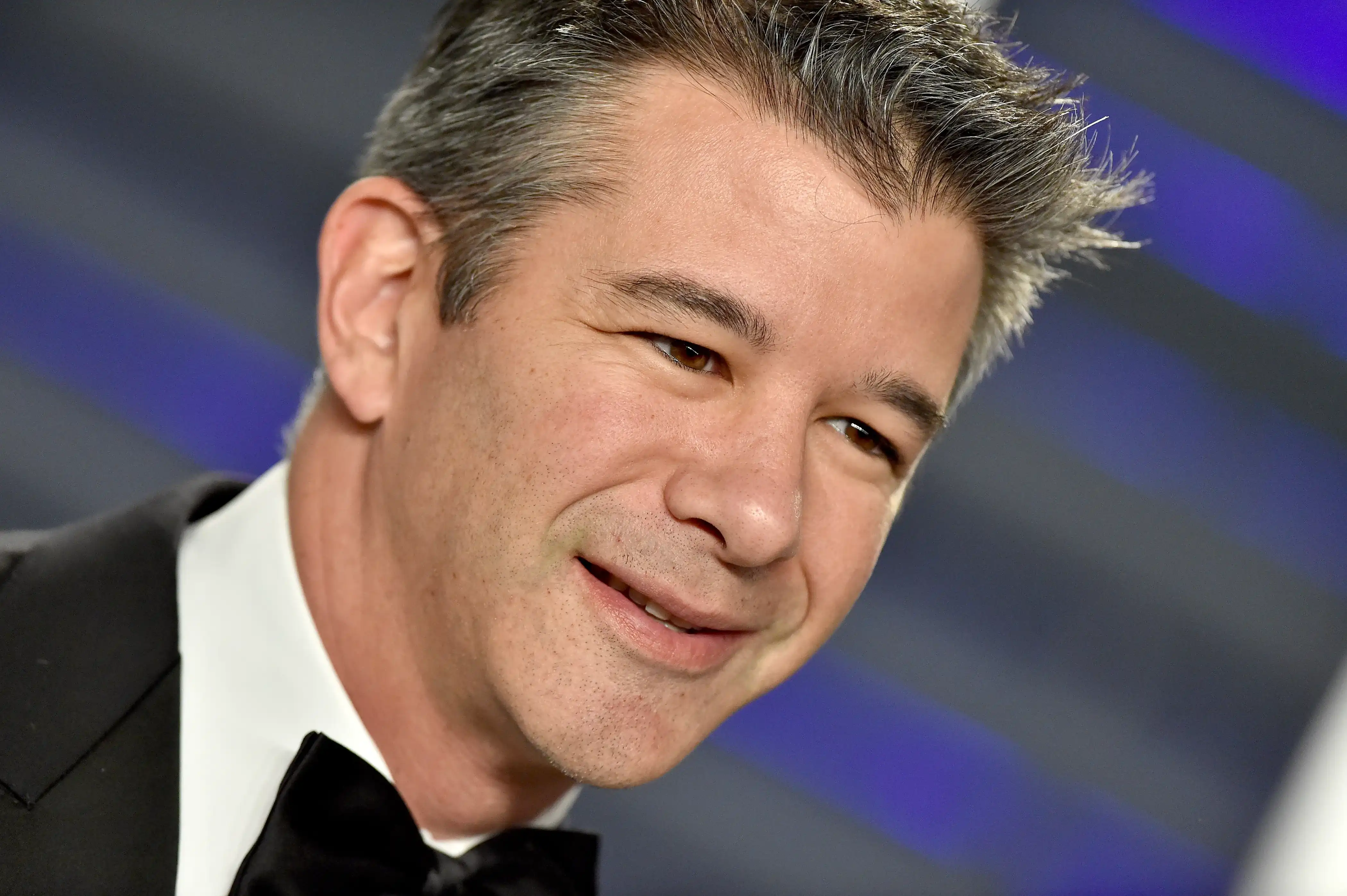
Travis Kalanick is back in the arena with a monster check: his robotics company has raised $1.7 billion in a round led by Andreessen Horowitz, one of the largest financings ever awarded to a startup at this stage of its life. The scale of the bet says as much about investor conviction in physical AI as it does about Kalanick himself, the Uber co-founder whose combative career has made him one of the most polarizing figures in technology.
Kalanick left Uber in 2017 after a series of scandals and spent the intervening years building the cloud-kitchen venture CloudKitchens. His pivot into robotics places him squarely in the hottest corner of venture capital, where money is pouring into companies that promise to put AI models into machines that move through warehouses, factories and eventually homes. a16z has positioned itself as a leader in this category, arguing that the software intelligence layer is commoditizing while the integration of models with real-world hardware remains scarce and defensible.
A $1.7 billion war chest lets the company hire aggressively, secure supply chains for actuators and sensors, and outlast smaller rivals in a race where capital intensity is the moat. It also imports Kalanick's playbook, move fast and scale globally, into an industry with far higher safety stakes and regulators far less tolerant of disruption than the ones he tangled with in ride-hailing.
For the founders and funds now crowding humanoid and autonomous robotics, the round is a warning: the Kalanick era of physical AI has arrived, and it is armed.