In one of Europe's best-known cities, a neighborhood long infamous for its red-light windows is undergoing the most improbable reinvention in the local economy: it has become one of the world's densest clusters of artificial intelligence startups. The transformation captures a broader truth about where innovation goes when it is priced out of the places that were supposed to host it.
The mechanics are familiar even if the setting is not. As flagship tech districts in major cities became unaffordable and sterile, entrepreneurs drifted toward adjacent neighborhoods with character, cheap space, and round-the-clock infrastructure. The old red-light district offered all three — historic buildings with low rents, a central location near transit and universities, and a tolerance for odd hours that polished office corridors never provided. What began with a handful of studios and early-stage teams snowballed as founders followed founders.
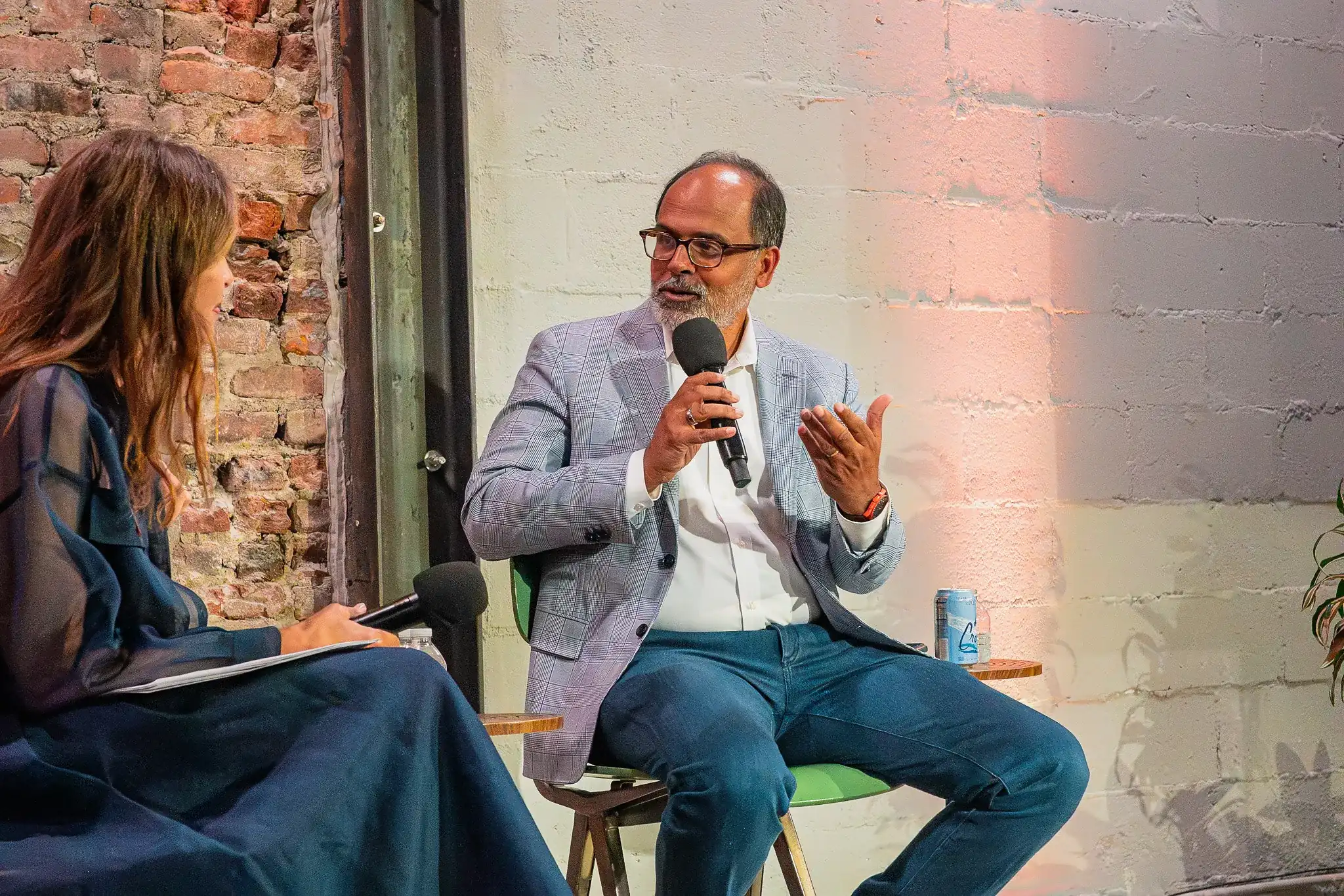
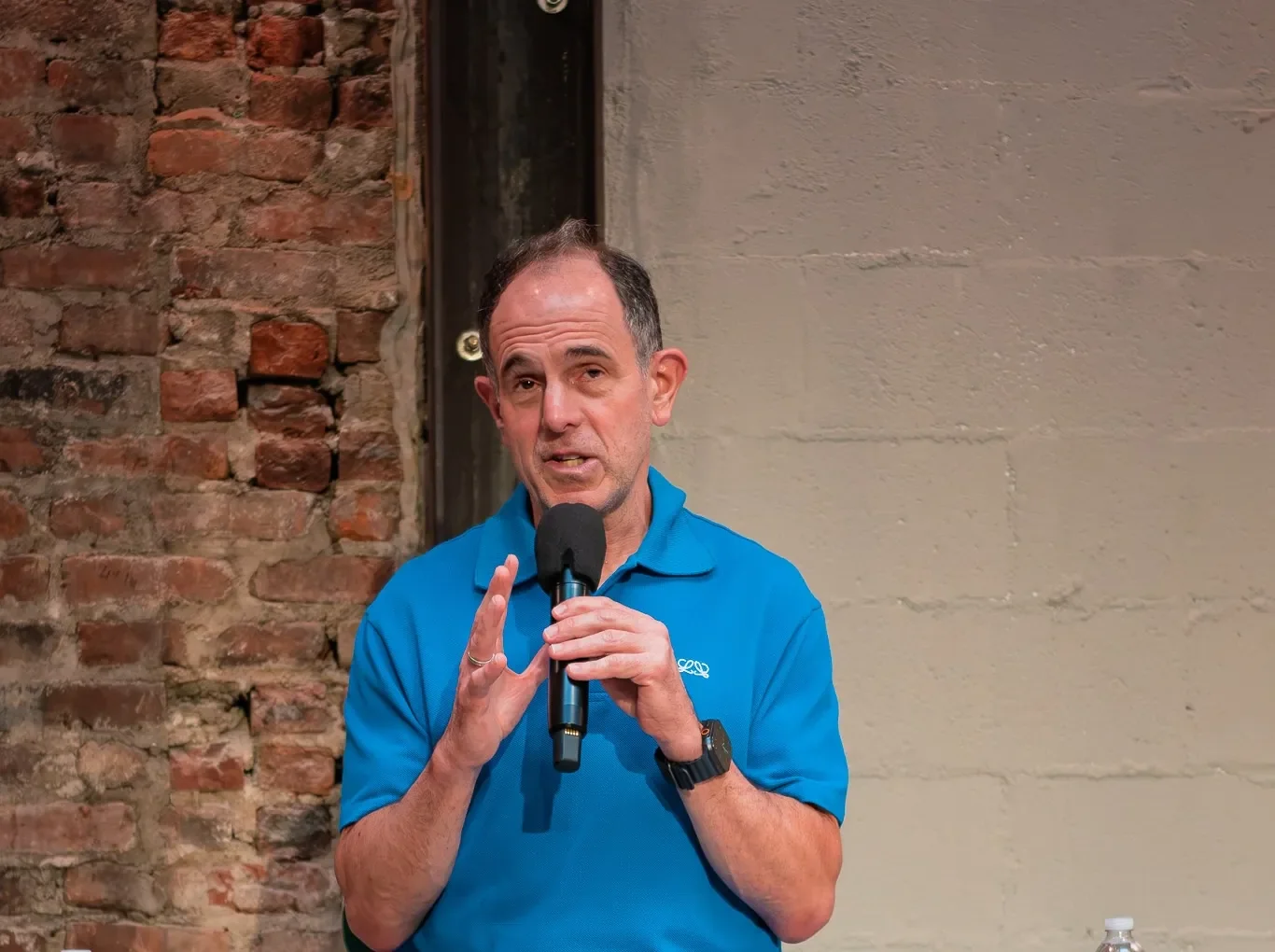
The district now hosts AI labs, agent startups, and the supporting cast of the ecosystem: accelerators, meetups, investors who prefer walking to their meetings, and the late-night cafés where deals get discussed. Local authorities that once tried to regulate the area's vice economy now tout its innovation economy, and property owners who could not rent space a decade ago are reaping the rewards of the most unlikely gentrification story in tech.
The lesson extends beyond one neighborhood. AI's buildout is reshaping urban geography the way the internet once did, rewarding districts with cheap space, dense talent, and institutional flexibility over those with prestige alone. It also raises the question every successful cluster eventually faces: whether the very forces that made the district attractive — affordability, tolerance, eccentricity — will survive the success it has helped create.