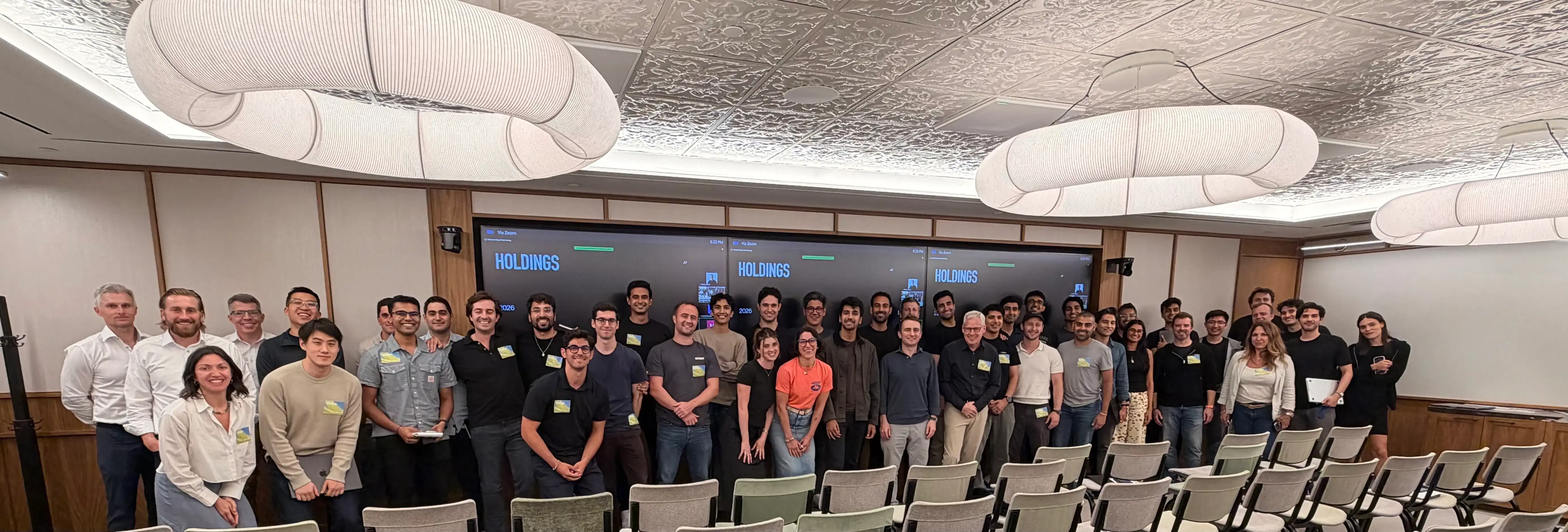
Thrive Holdings, the investment and company-building firm led by Joshua Kushner and backed by OpenAI as both an investor and partner, has raised $2 billion to accelerate its central mission: converting frontier model capability into enterprise software that large organizations can actually deploy. The round highlights a new phase of the AI economy in which capital is being directed not at training models, but at the harder work of embedding them into business operations.
The firm's strategy is distinctive. Rather than functioning as a conventional venture fund, Thrive builds companies from the ground up, often in partnership with OpenAI itself, creating ventures that get early access to new capabilities and a direct line to the lab's engineering teams. In exchange, the startups deliver real enterprise workloads and revenue back to the model provider — an arrangement that ties the economics of the application layer tightly to the model layer.
Enterprise AI has proven far more difficult to sell than consumer products. Companies must navigate procurement, security review, integration with legacy systems, and regulatory scrutiny, none of which slow a viral consumer app. Thrive's pitch to investors is that patient, hands-on company building with deep lab support is the right structure for clearing those barriers, and the $2 billion raise suggests its backers agree.
The funding also reinforces OpenAI's broader commercial playbook. By seeding and backing application companies through partners like Thrive, the lab cultivates demand for its models while capturing upside in the layer where enterprise value is expected to accrue. As competition with Anthropic, Google, and open-source providers intensifies, the race to own the enterprise AI stack is no longer being fought only in the model layer — it is being fought in the capital structure as well.