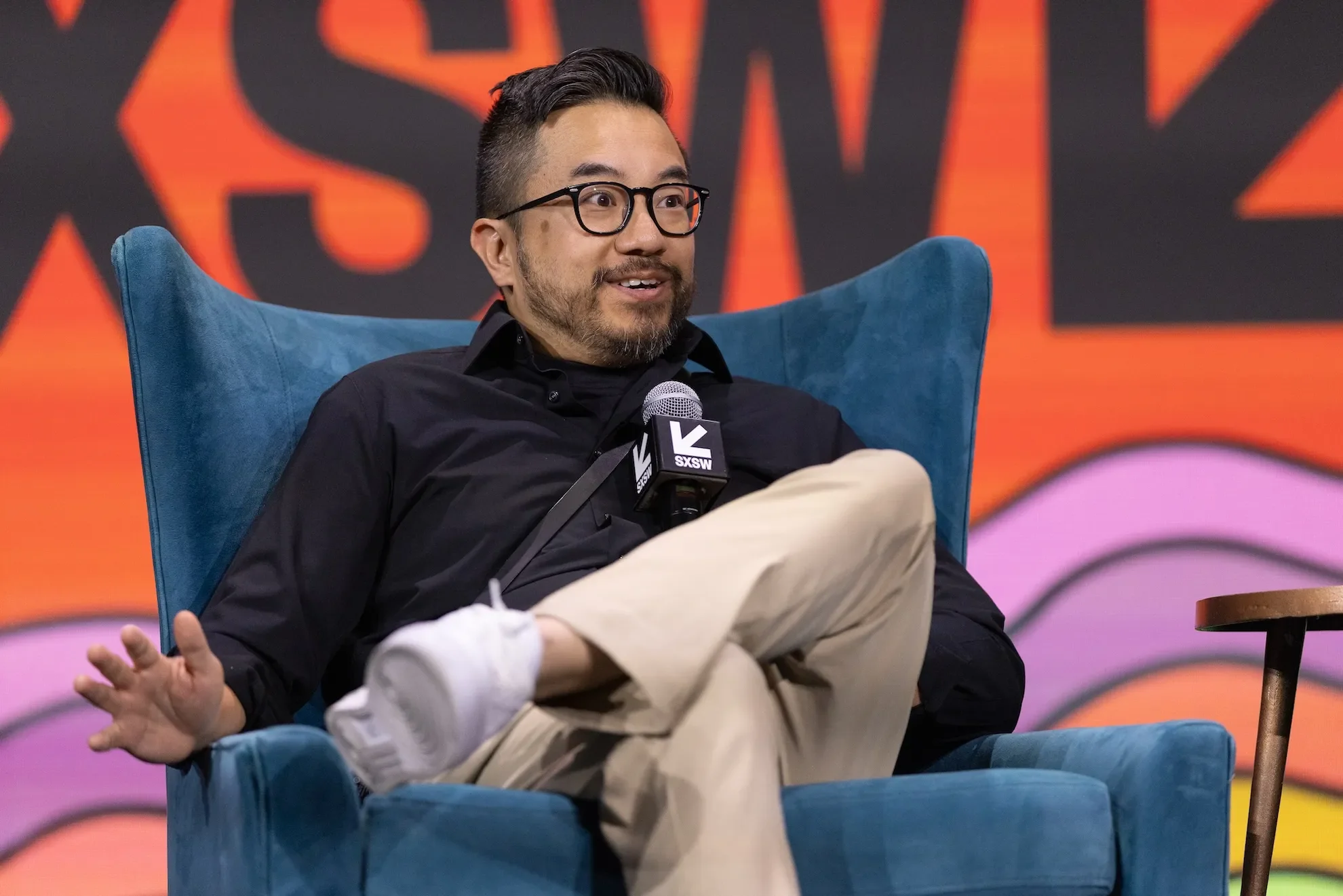
Garry Tan is picking a fight with the prevailing wisdom of the open-source AI movement. The Y Combinator chief executive is publicly urging American open-weight AI labs to distill frontier models, arguing that the practice is essential if the United States wants a competitive, commercially viable ecosystem of smaller models.
Distillation, the technique of training a compact model on the outputs of a larger one, has become one of the most contentious topics in artificial intelligence. Critics call it free-riding on expensive research; supporters counter that every generation of computing has advanced by compressing and redistributing capability. Tan's intervention puts one of the most influential voices in startup land squarely behind the practice.
His argument carries particular weight because of whom he represents. Y Combinator funds thousands of early-stage companies, many of which build on open-weight models precisely because frontier API pricing is prohibitive at their scale. If distillation is legally or politically restricted, the economics of an entire cohort of startups shift overnight.
The debate also lands amid escalating tension between open-weight labs and the closed frontier providers, who have variously accused rivals of extracting value from their systems. Whether Tan's call translates into policy, litigation, or simply more investment into American open-weight efforts remains to be seen, but the intervention guarantees the distillation question will not quietly resolve itself. With global competitors already shipping distilled variants at aggressive prices, the window for an American answer is narrowing, and few voices in the ecosystem carry as much influence over where that answer lands as Tan's does.