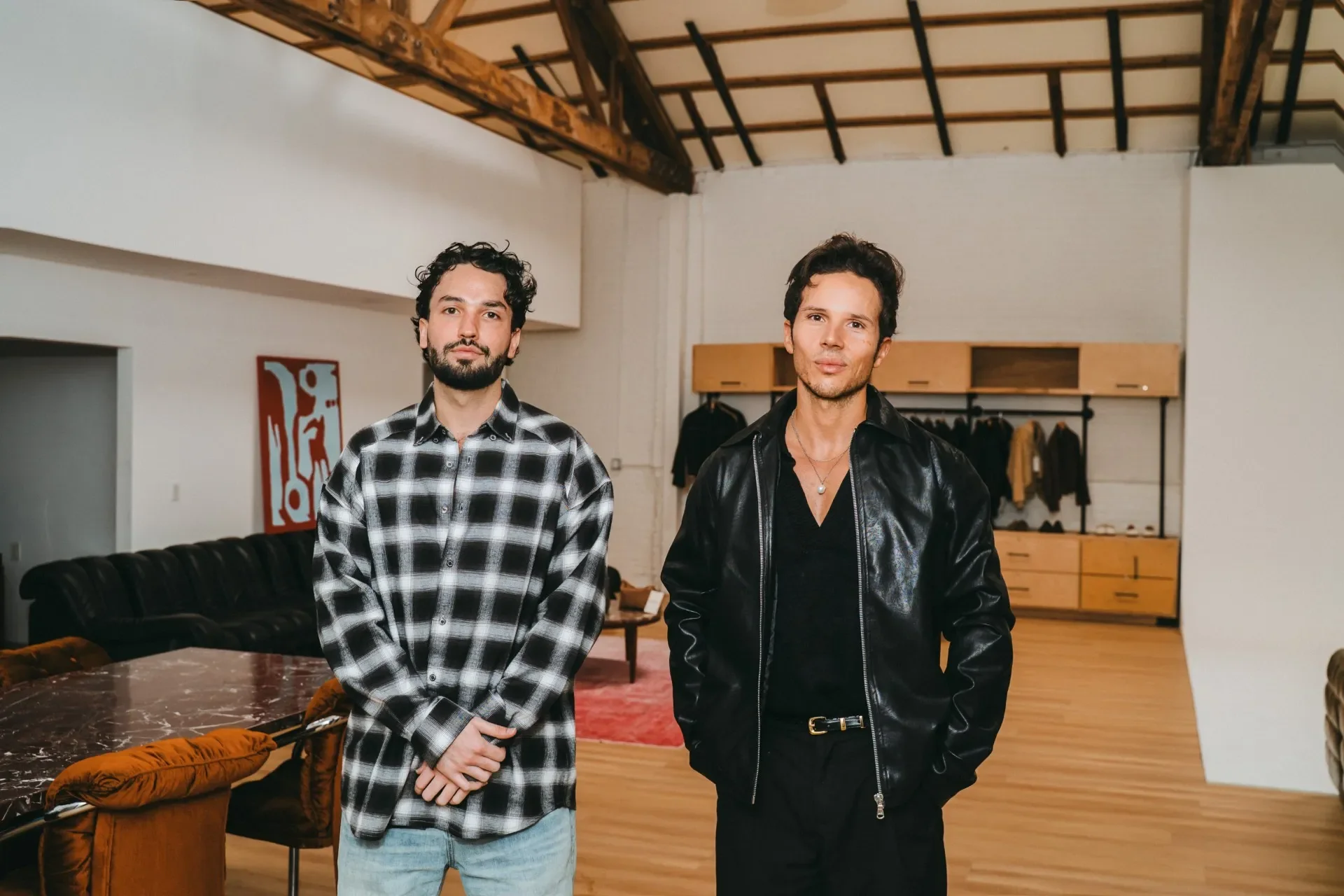
Fashion startup Atorie has raised $9.5 million to attack one of retail's most durable grievances: the luxury markup. The company's pitch to consumers is designer-quality goods without the designer price tag, and its pitch to investors is that the markup itself — historically ten times or more between factory cost and retail price — is a legacy structure that a lean, digitally native brand can dismantle.
Atorie's model centers on cutting out wholesale distribution, department store margins and much of the marketing overhead that inflates traditional luxury pricing. Instead of the seasonal drop calendar, the company is building a data-driven assortment that tests demand early and scales what works, an approach borrowed from the direct-to-consumer playbook but applied to higher-end categories where incumbents have been slow to modernize.
The funding arrives in a difficult market for fashion startups. Consumer discretionary spending has been uneven, customer acquisition costs have climbed as privacy changes gutted cheap social advertising, and several once-hot resale and rental platforms have retrenched. Investors backing Atorie are betting that value-oriented luxury — quality goods at defensible margins — is precisely the positioning that survives a consumer squeeze, because it captures shoppers trading down from heritage brands without abandoning taste.
The fresh capital will go toward product development, supply chain depth and expansion beyond the initial categories, as well as the brand storytelling that separates a genuine value play from a discount outlet. The long-term stakes are high: if Atorie can hold luxury aesthetics at accessible prices profitably, it joins a very small club of companies that have proven the markup can be compressed without compressing the margin.