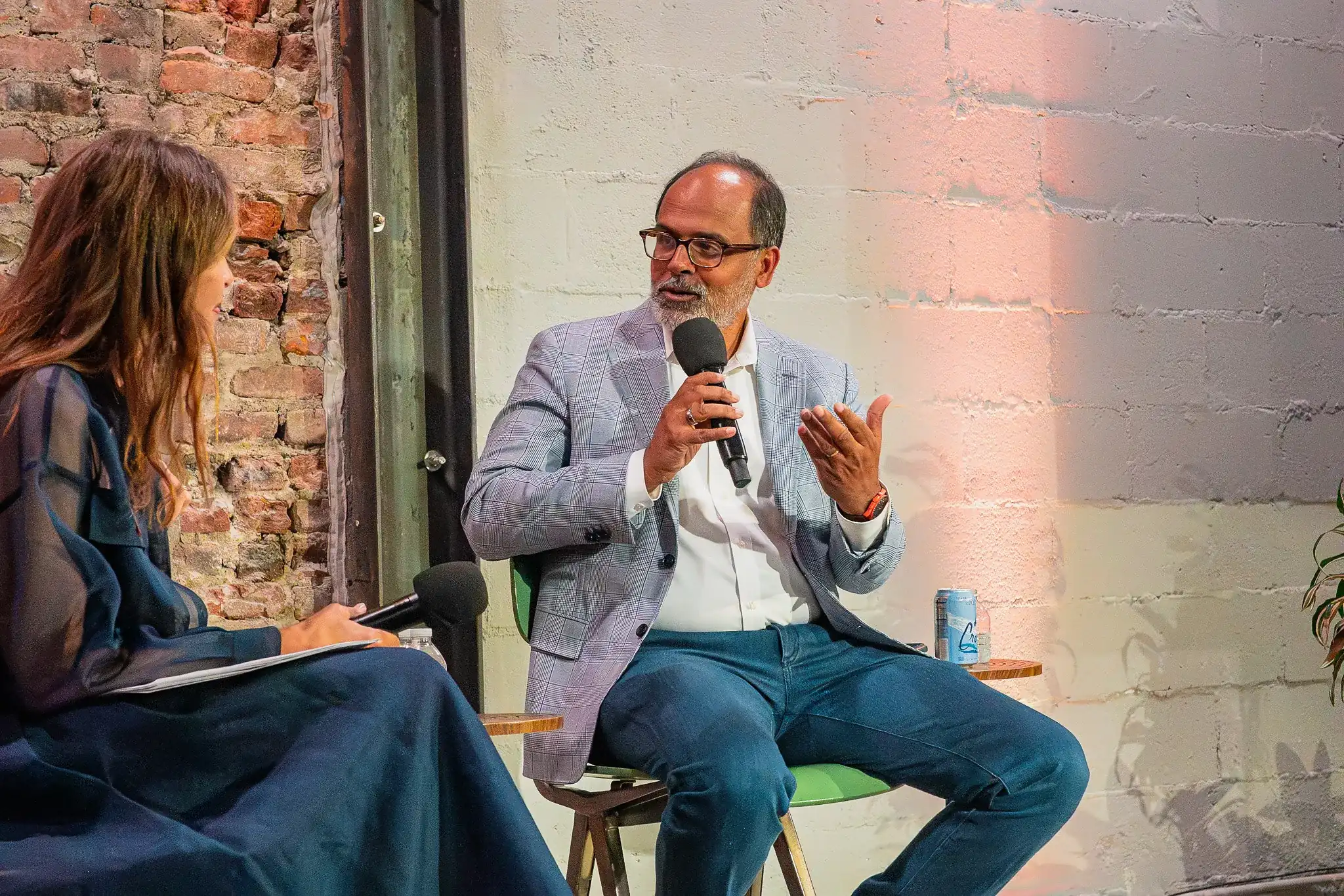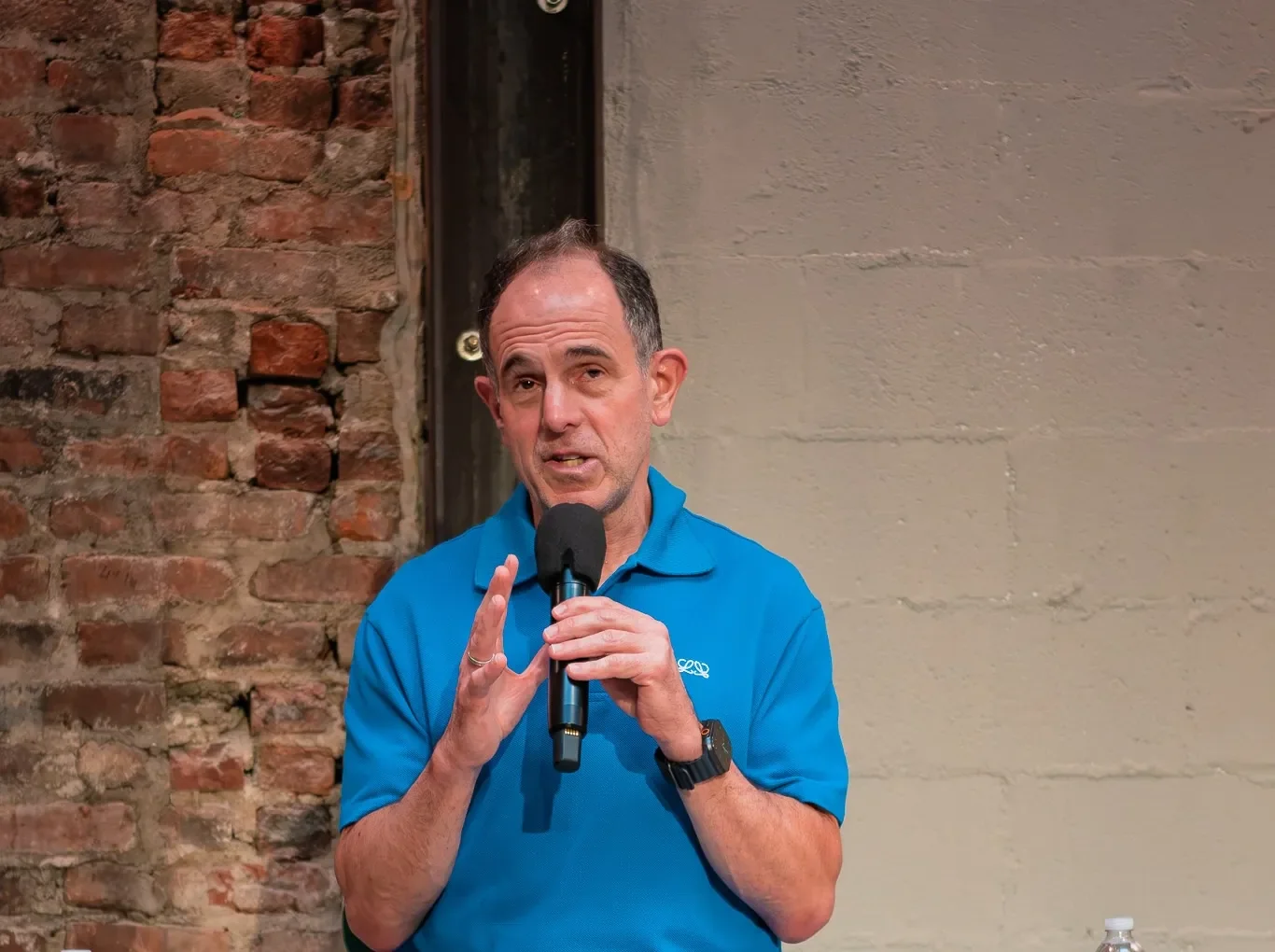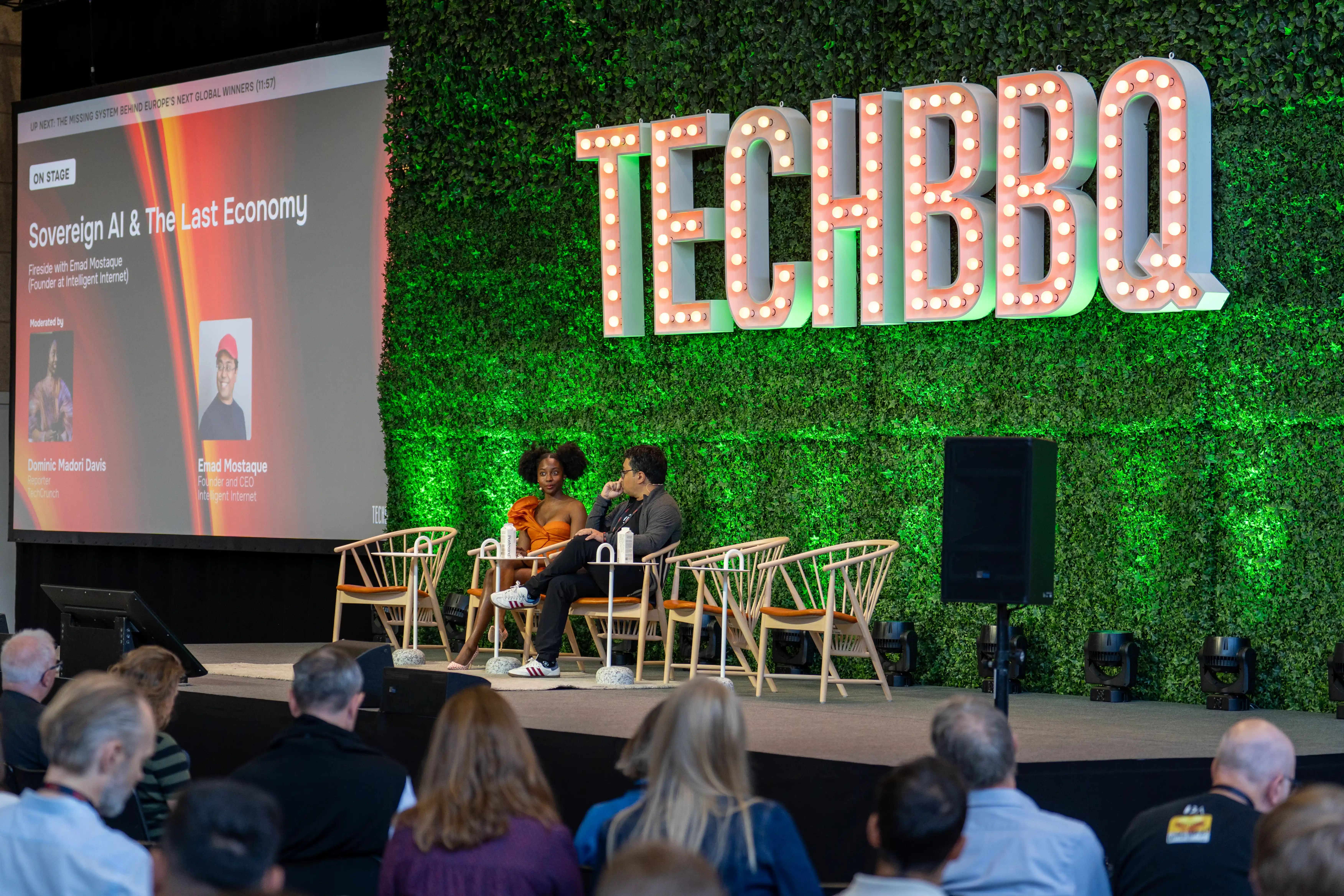
At TechBBQ, Europe's biggest gathering of founders, investors and corporate tech leaders, one question kept surfacing in panel after panel about artificial intelligence: who is actually in control? Speakers returned again and again to the uncomfortable reality that much of Europe's AI ambition runs on American frontier models, Asian hardware supply chains and cloud infrastructure owned by a handful of foreign companies — and that control, not capability, is the real fault line.
The conversation reflected a shift in European startup culture. A year ago, the dominant theme was how to close the gap with US labs; this year, the argument was about who gets to decide what those systems do, where they run and under whose rules. From sovereign compute initiatives and open-weight model mandates to the EU AI Act's enforcement timeline, every policy topic folded back into the same underlying anxiety about dependency.
Founders pushed back on the framing, arguing that building on top of foreign models is not weakness but strategy, and that Europe's real edge lies in regulated, high-trust applications in healthcare, industrial automation and public services where American generalists struggle to sell. Investors countered that niche advantages do not produce globally dominant companies, and that without control of the stack, Europe risks becoming a market for AI rather than a maker of it.
The unresolved tension matters because money is moving. Sovereign wealth funds, pension pools and national programs are committing billions to compute and talent, betting that control is at least partially a policy choice. TechBBQ made clear that Europe's AI debate is no longer technical — it is political, and the answer will shape the continent's digital economy for a decade.